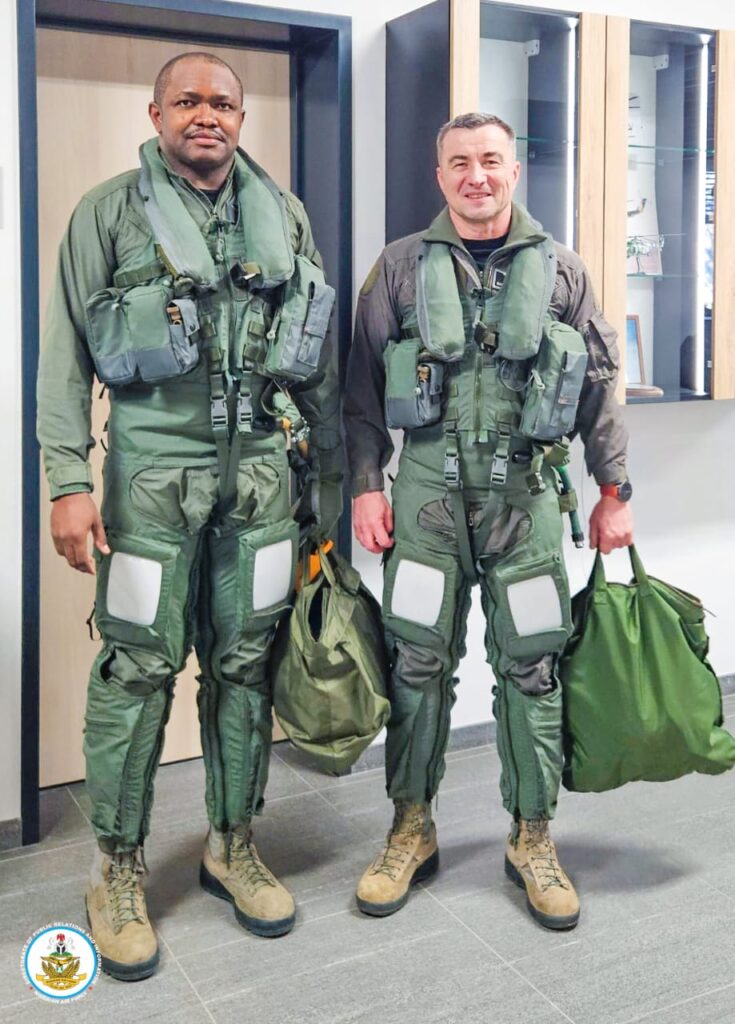
The recent strategic visit of the Chief of the Air Staff (CAS), Sunday Kelvin Aneke, to the Czech Republic marks a defining moment in the evolution of the Nigerian Air Force (NAF). Far from a ceremonial diplomatic engagement, the 23–24 February 2026 mission reflects a carefully structured effort to engineer air power sovereignty through phased modernisation, institutional capacity building, and strategic defence diplomacy.
At its core, the visit underscores a central principle shaping the CAS’s command philosophy: enduring air power is not measured solely by the sophistication of platforms acquired, but by the depth of institutional competence, sustainment architecture, and knowledge systems supporting them. In this context, sovereignty is defined not merely by ownership of assets, but by the ability to sustain, adapt, and innovate independently.
From Platform Dependence to Institutional Resilience
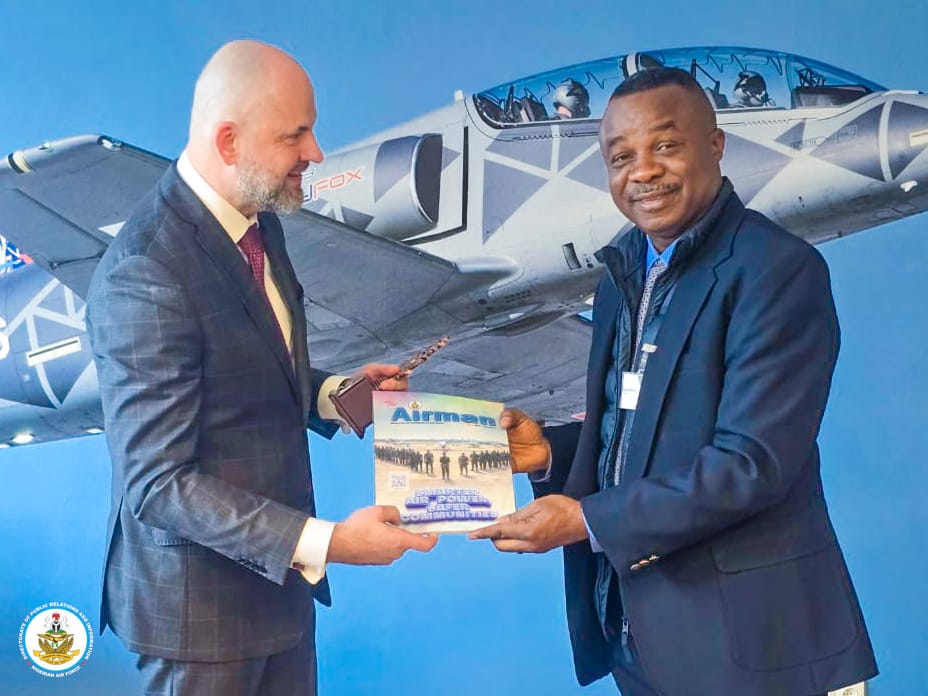
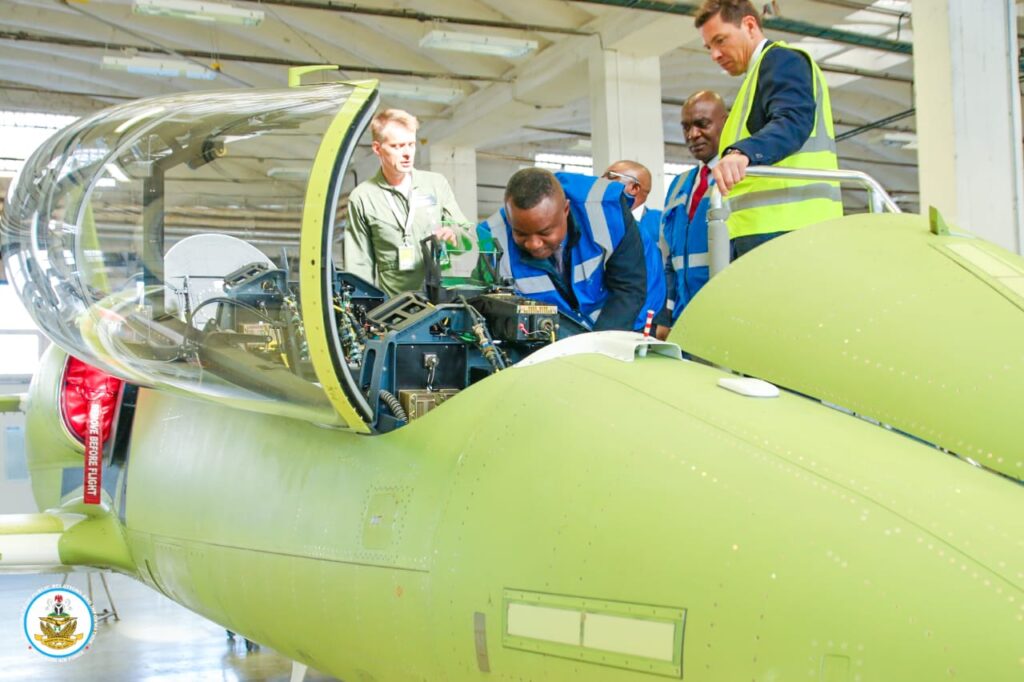
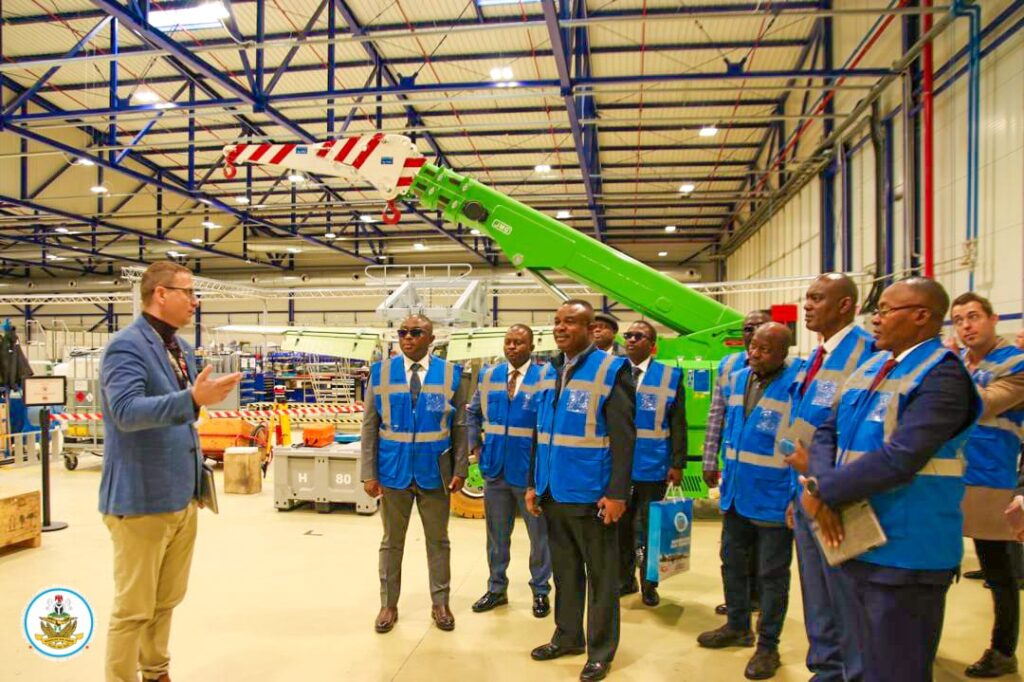
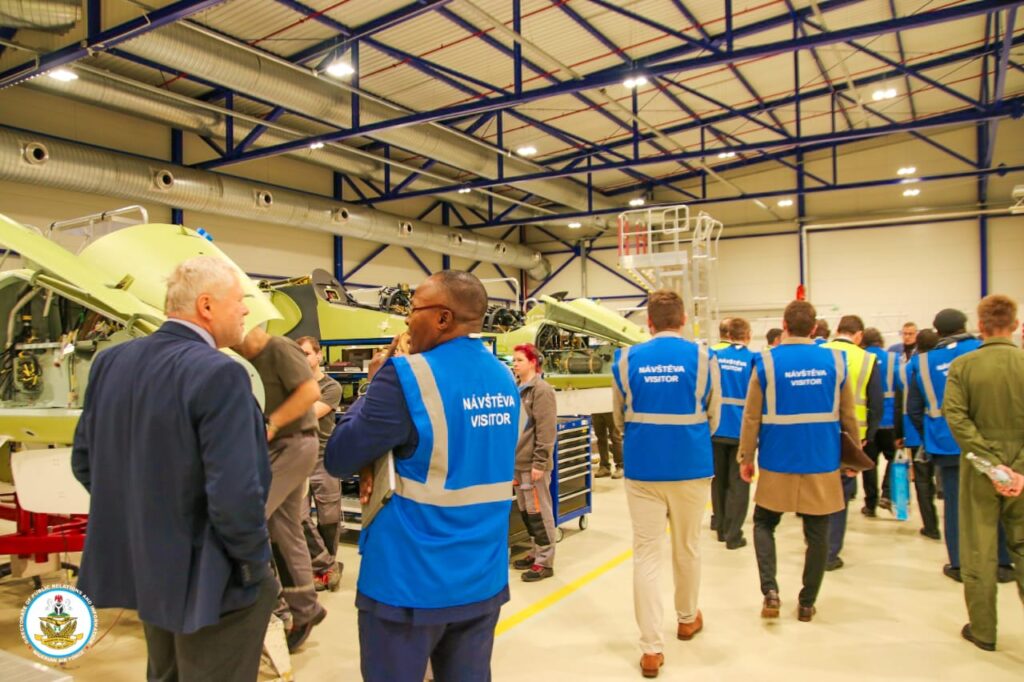
A focal point of the visit was high-level engagement with Aero Vodochody Aerospace, long-standing partners in supporting Nigeria’s L-39 aircraft fleet. The L-39ZA Albatros has served as a cornerstone of the NAF’s fast-jet training continuum, bridging foundational flight instruction and advanced combat aircraft operations.
However, discussions extended beyond fleet sustainment. The CAS emphasised structured collaboration in spares provisioning, technical knowledge transfer, and long-term training support — pillars essential for reducing external dependency and strengthening domestic technical capacity.
This institutional focus signals a shift in defence planning: from platform-centric modernisation to system-centric development, where logistics chains, technical manpower, and maintenance ecosystems are treated as strategic assets.
Managing Transition: The L-39 Skyfox Pathway
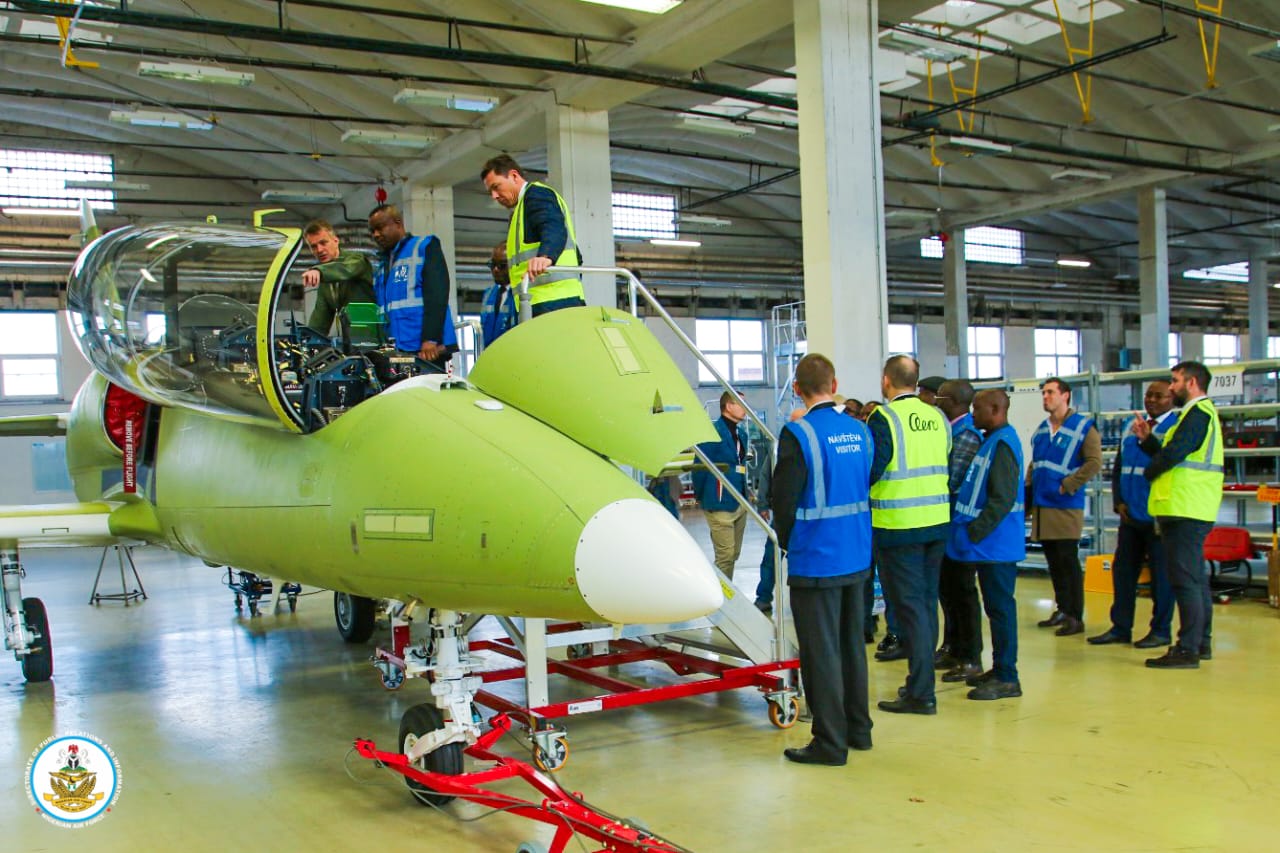
Central to the engagement was the NAF’s structured transition from the legacy L-39ZA to the more advanced L-39 Skyfox platform. Designed as a next-generation jet trainer with light attack capability, the Skyfox introduces modern avionics, improved performance parameters, and greater adaptability to contemporary air operations.
Yet the strategic significance lies not in the aircraft itself, but in how the transition is being managed.
Rather than pursuing rapid fleet replacement, the NAF is adopting a phased integration model that prioritises:
Continuity in pilot training output
Gradual doctrinal recalibration
Parallel sustainment capability development
Protection of operational readiness during transition
Such sequencing reflects strategic prudence. Air forces that modernise without safeguarding training pipelines often face temporary readiness gaps. By contrast, the NAF’s approach demonstrates awareness that transformation must be engineered, not improvised.

Defence Diplomacy as Strategic Leverage
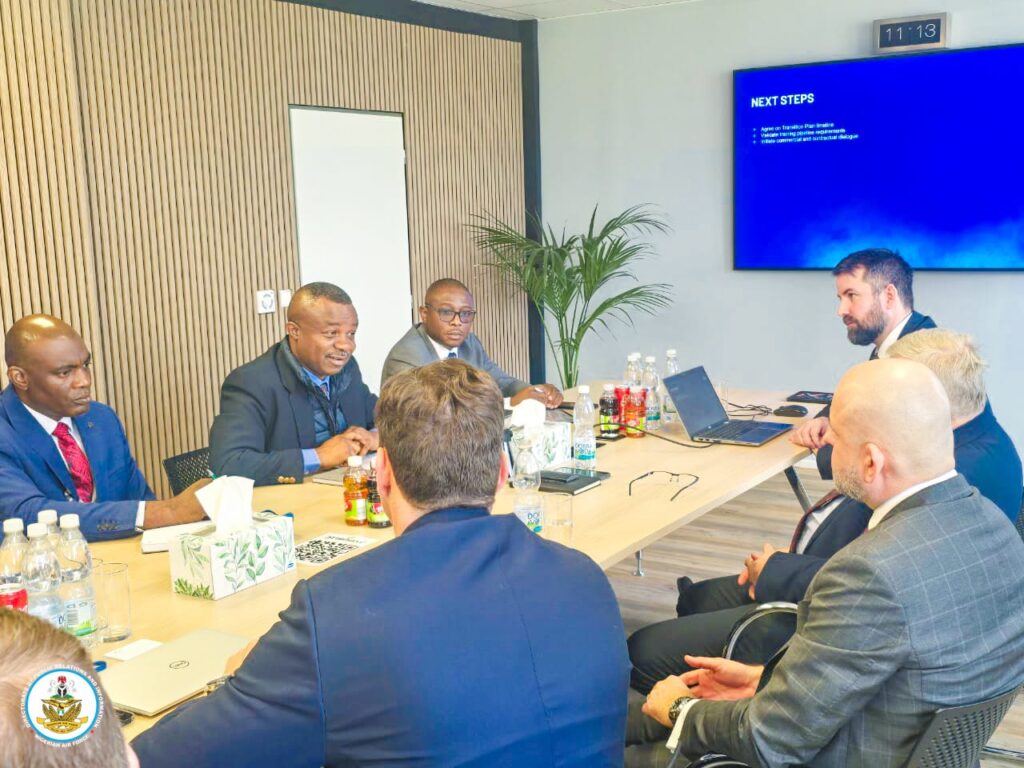
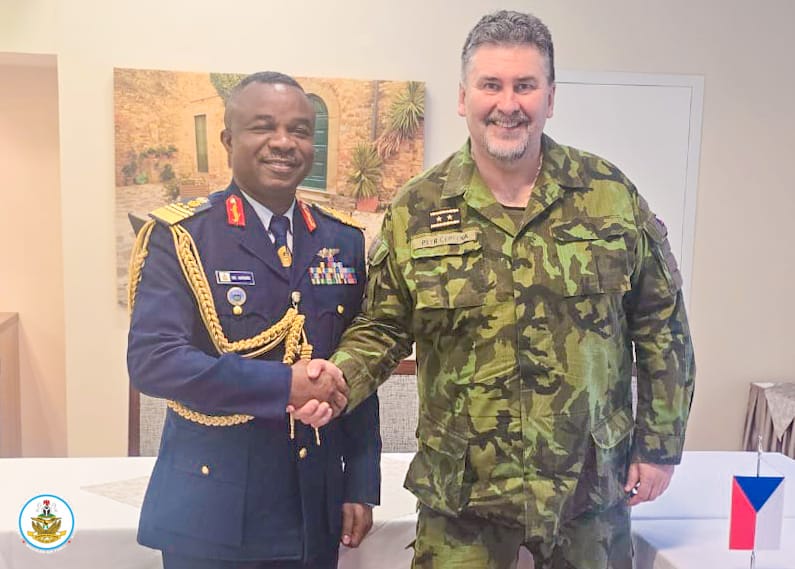
Beyond industrial collaboration, the CAS held substantive consultations with the Czech Air Force, exploring expanded cooperation in simulator capacity development, logistics systems integration, and rotary- and fixed-wing training frameworks.
In contemporary military strategy, defence diplomacy serves as an instrument of capability acceleration. Professional exchanges facilitate benchmarking, exposure to best practices, and alignment with evolving global standards. For the NAF, such engagements enhance not only interoperability potential but institutional learning curves.
This dimension of the visit reinforces a broader truth: in a technologically dynamic security environment, partnerships amplify preparedness.
Technology Absorption and Strategic Autonomy
The CAS’s interactions with defence export stakeholders further highlighted advanced aviation simulators, parachute training systems, and unmanned aerial technologies relevant to modern air operations. However, the guiding emphasis remained clear — acquisition without absorption does not produce sovereignty.
Strategic autonomy in air power requires more than procurement contracts. It demands:
- Knowledge transfer mechanisms
- Indigenous technical competence development
- Sustainment planning resilience
- Integration of emerging technologies into doctrine
By framing modernisation within this architecture, the NAF is signalling a shift toward capability sovereignty — the ability to sustain air operations effectively even amid supply chain disruptions or shifting geopolitical dynamics.
Strategic Implications for Nigeria’s Security Posture
Nigeria’s security landscape — characterised by asymmetric threats, cross-border instability, and rapid operational tempo — necessitates air forces that are both technologically modern and institutionally robust.
The Czech engagement therefore carries implications beyond bilateral cooperation. It illustrates:
A deliberate move from reactive procurement cycles to structured force design
Recognition that training ecosystems are strategic infrastructure
Alignment of defence diplomacy with long-term capability development
Under Air Marshal Aneke’s leadership, the Nigerian Air Force appears to be constructing a modernisation pathway rooted in continuity, resilience, and foresight.
In strategic terms, platforms extend tactical reach. Institutions sustain strategic endurance. The CAS’s Czech mission demonstrates an understanding that true air power sovereignty lies at the intersection of both — engineered through planning, partnerships, and disciplined execution.