The Federal Government has announced a six-year suspension on the establishment of new tertiary institutions across Nigeria.
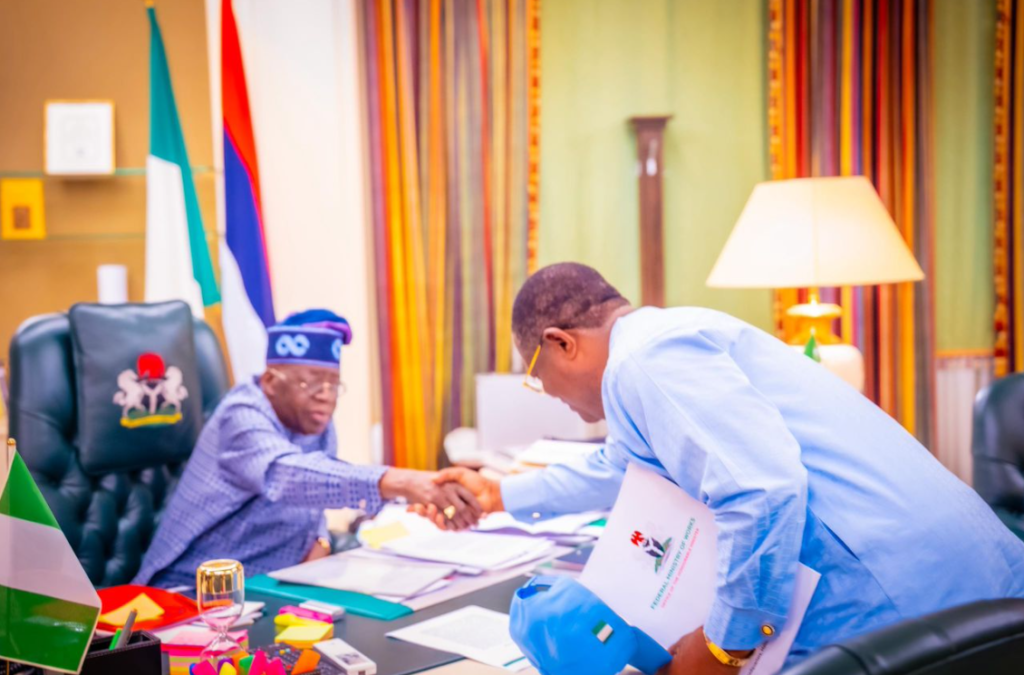
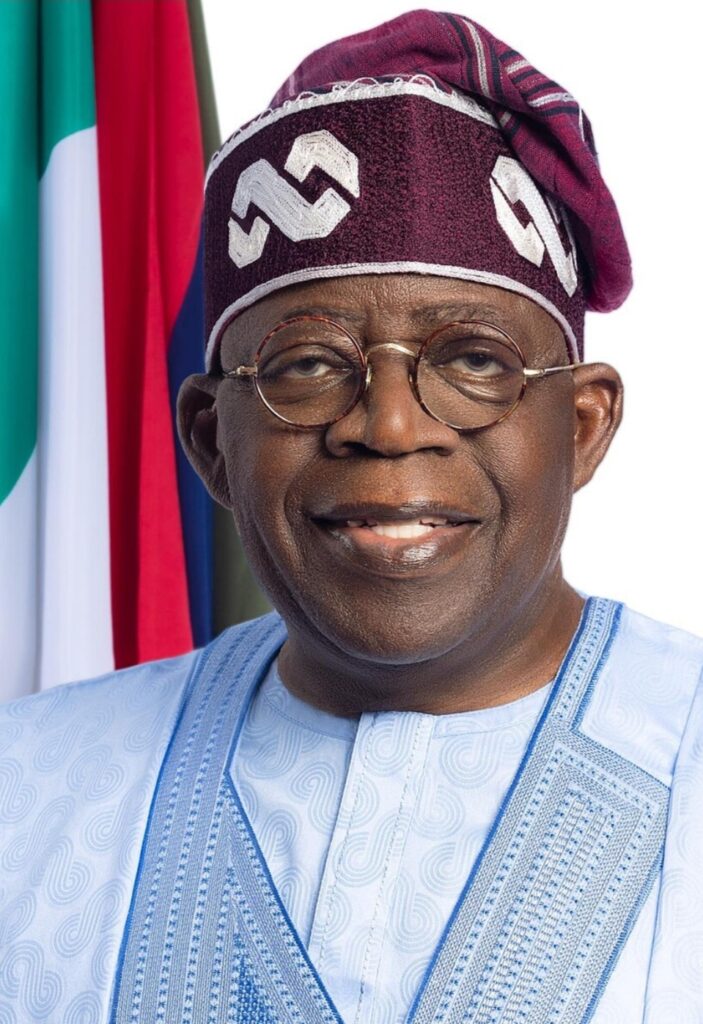
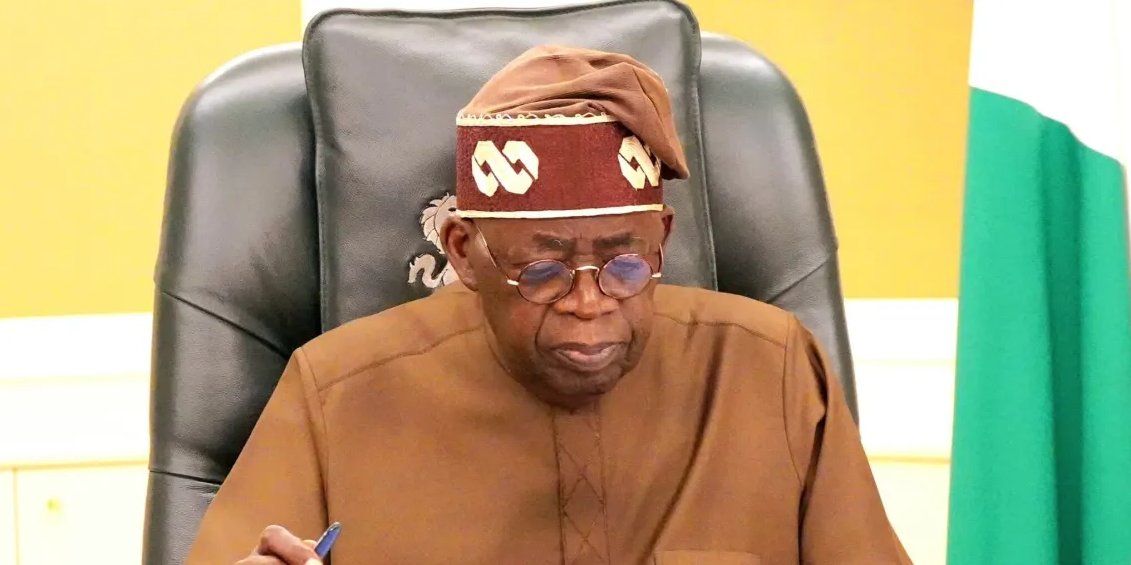
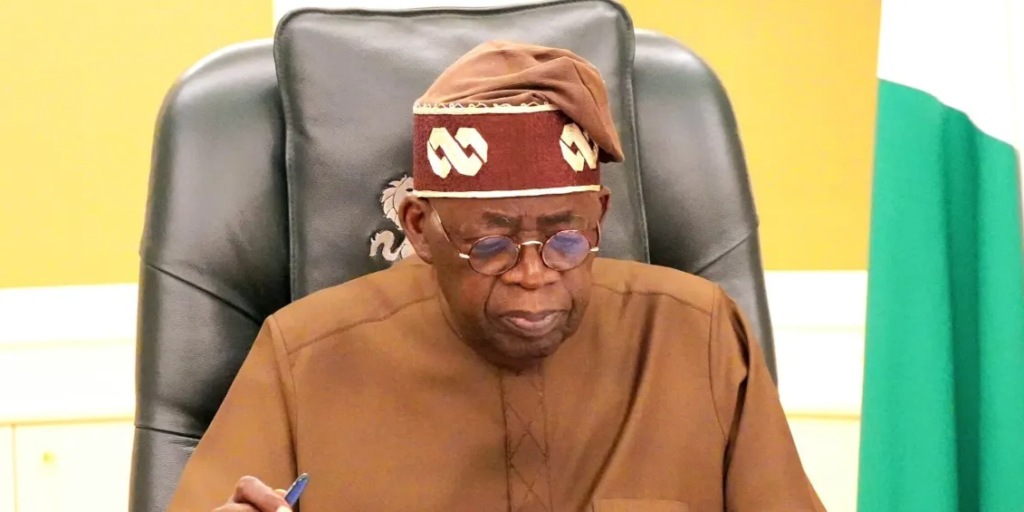
The decision was approved during a Federal Executive Council (FEC) meeting chaired by President Bola Ahmed Tinubu.
Speaking to journalists after the meeting, the Minister of Education, Tunji Alausa, explained that the move is intended to strengthen the quality and long-term sustainability of existing institutions, particularly privately owned ones.
He noted that Nigeria already has a large number of universities, polytechnics, and colleges of education, many of which are currently facing financial difficulties.
Citing statistics from the Joint Admissions and Matriculation Board (JAMB), the minister revealed that more than 2.3 million candidates applied for admission last year, yet fewer than 228,000 were admitted into public universities. He said this disparity highlights the persistent challenge of access to higher education despite the rising number of institutions.
In a related development, the FEC also restored the National Commission for Mass Literacy, Adult and Non-formal Education (NMEC) to its full status as an independent commission.
According to the minister, about 56 million Nigerians remain illiterate. He said NMEC plans to intensify nationwide literacy campaigns, particularly in rural areas, through radio and television programmes, advocacy initiatives, and the establishment of community learning centres.
Additionally, the council approved amendments to the National Postgraduate Medical College of Nigeria Act to recognise medical fellowships as equivalent to a PhD for academic advancement.
The government also approved insurance coverage for 180 federal unity schools across the country.
The announcement comes months after the National Universities Commission approved 33 new universities in 2025, bringing the total number of universities in Nigeria to 309.