Global oil markets have been thrown into turmoil as escalating tensions in the Middle East push crude prices above the $100-per-barrel mark, sparking concerns about a potential worldwide economic shock.
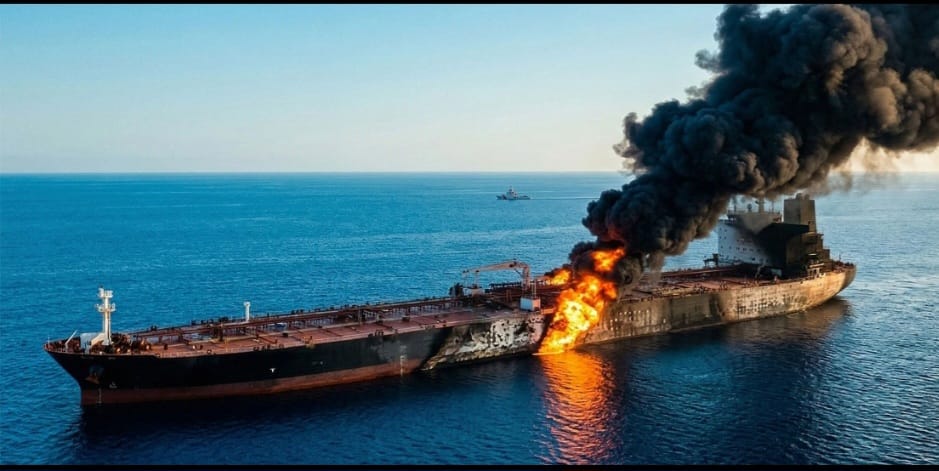
The surge in oil prices follows intensifying military confrontations involving Iran and Israel, with fears that the conflict could disrupt vital energy supply routes across the region.
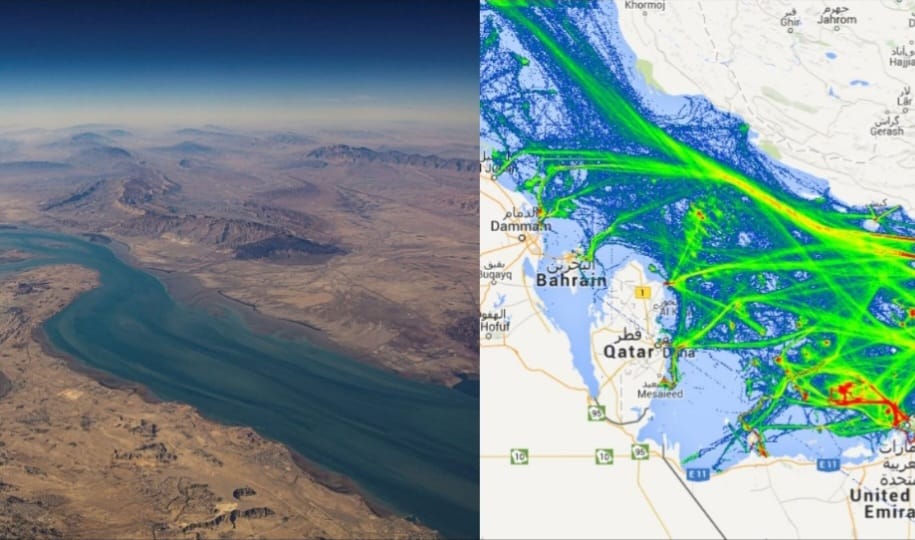
Energy analysts warn that the crisis could significantly impact global fuel supply, particularly around the strategically critical Strait of Hormuz—a narrow maritime corridor through which nearly a fifth of the world’s oil supply passes daily.
If the conflict spreads or shipping routes are disrupted, experts say global oil prices could rise even further, putting pressure on economies already battling inflation and slow growth.
Several governments have already begun preparing emergency economic responses.
Authorities in Pakistan announced measures aimed at reducing energy consumption, including temporary school closures and fuel-saving policies designed to cushion the impact of rising energy costs.
Economic observers warn that prolonged instability in the Middle East could trigger a new wave of global inflation, raising transportation costs, increasing food prices, and straining fragile economies across developing regions.
Energy markets remain highly volatile as investors closely monitor developments in the conflict, with global leaders urging restraint to prevent a broader regional war that could further destabilize the world economy.
Security experts say the situation in the Middle East remains fluid, and any escalation could quickly ripple through global markets, affecting everything from fuel prices to international trade.